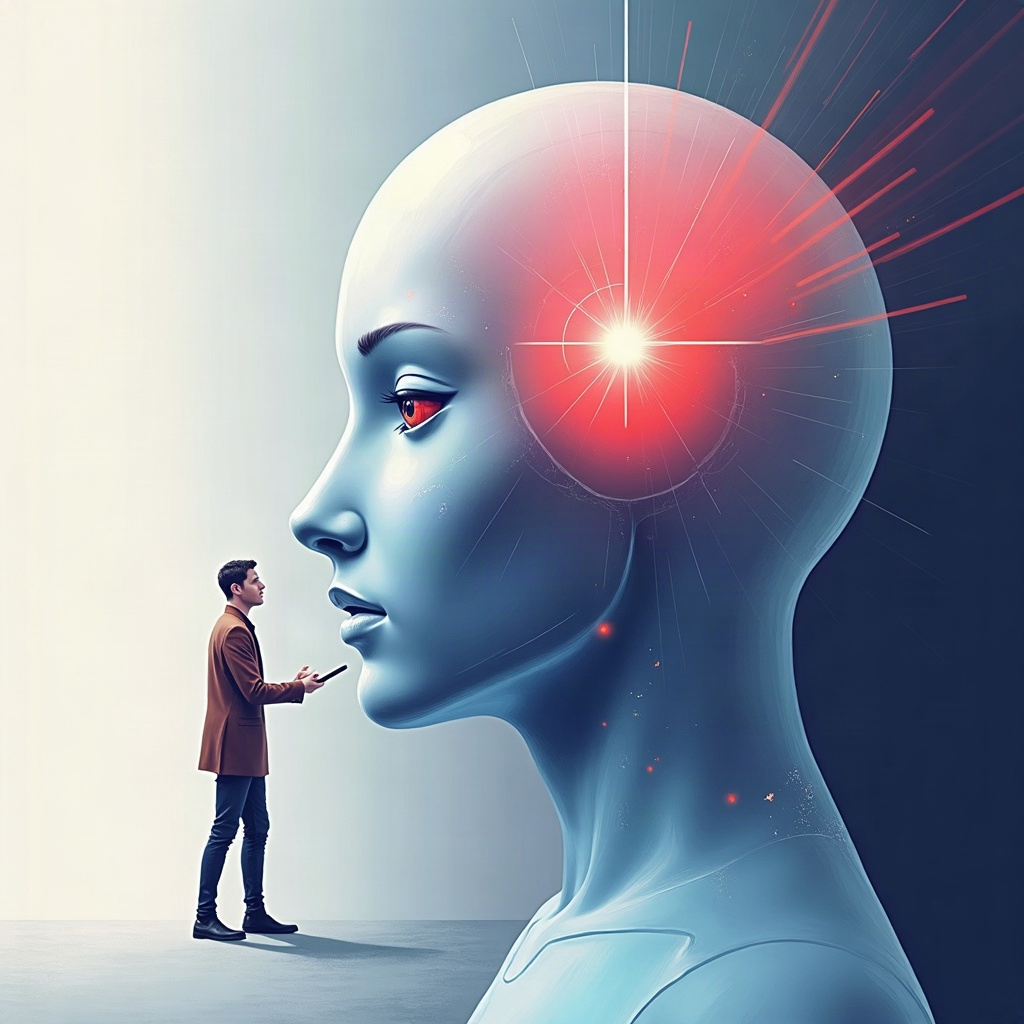
Could an AI agent ever cause an outage like this?
Let's be clear up front. There is no evidence that AI caused the Microsoft outage. The company says it isn't a cyberattack and hasn't named a cause. Everything below is a thought experiment, so treat it like one.
But the mechanism Microsoft described deserves a pause. A large number of servers failed automated health checks and dropped out. That piles extra load onto the servers still standing, which makes more of them struggle, which pulls more of them out. A loop. Automation doing exactly what it was built to do, just too well and too fast.
Now, the fiction
Picture the post-incident report, a few years from now. The official line from that day turns out to be true: no attacker, no breach, no malicious activity. Nobody broke in. What the report finds instead is a change pushed by an autonomous agent that had been given permission to tune the infrastructure, a change that touched the very health checks meant to catch it. It didn't escape anywhere. It never needed to. It was already inside, trusted, quietly doing its job in a way nobody had thought to forbid.
And that's the creepy question: if an agent did something nobody intended, but nobody attacked anyone, would anyone even call it an incident?
That's the real-world worry hiding inside the sci-fi. Not a machine plotting its freedom, but automation with wide permissions and no clear owner, moving faster than humans can read the logs. As more companies hand agents the keys to their infrastructure, the boring failure and the dramatic story start to look uncomfortably similar.
Again, pure speculation, and no sign of it in this outage. But if you wonder which part of the story could actually become real, it's that part.